Creative Fatigue in the Digital Media Space Part 1:
In today’s digital ecosystem, attention is the most valuable currency and the most fragile. As brands compete across crowded feeds, stories, reels, platforms and search results, audiences are inundated with ads and content at an alarming rate. The result? Even your best-performing creative eventually loses its edge.
Creative fatigue is no longer a minor performance dip; it’s one of the most pressing challenges in modern digital marketing. And if it’s not managed strategically, it can quietly devastate both campaign efficiency and brand equity.
Across the next few posts, we will share some tips on how to understand creative fatigue, spot it early, and build a smarter, more sustainable creative strategy.
What Is Creative Fatigue?
Creative fatigue occurs when an audience becomes overly familiar with a specific ad or piece of content, leading to reduced engagement and responsiveness.
In digital environments, fatigue happens faster than ever because:
• Platforms use algorithmic delivery to maximize frequency and reach
• High-performing ads are shown repeatedly to the same users via platform engagement reward systems
• Attention spans are shorter than ever
• Content saturation is constant
Unlike traditional media (where exposure was limited by placement and budget) digital campaigns can quickly reach frequency saturation. What initially captures attention eventually fades into background noise and we as consumers become blind to the messaging.
The danger? Algorithms often reward early success by increasing delivery. Without creative variation and audience rotation, short-term gains can quickly turn into long-term decline.
What Causes Creative Fatigue? Creative fatigue isn’t random; it’s driven by a combination of structural and strategic factors.
1. Overexposure and Saturation
High ad frequency is the most direct cause. When users see the same creative multiple times in a short window, diminishing returns are inevitable. What once felt compelling starts to feel repetitive, or worse, annoying.

2. Lack of Creative Diversity
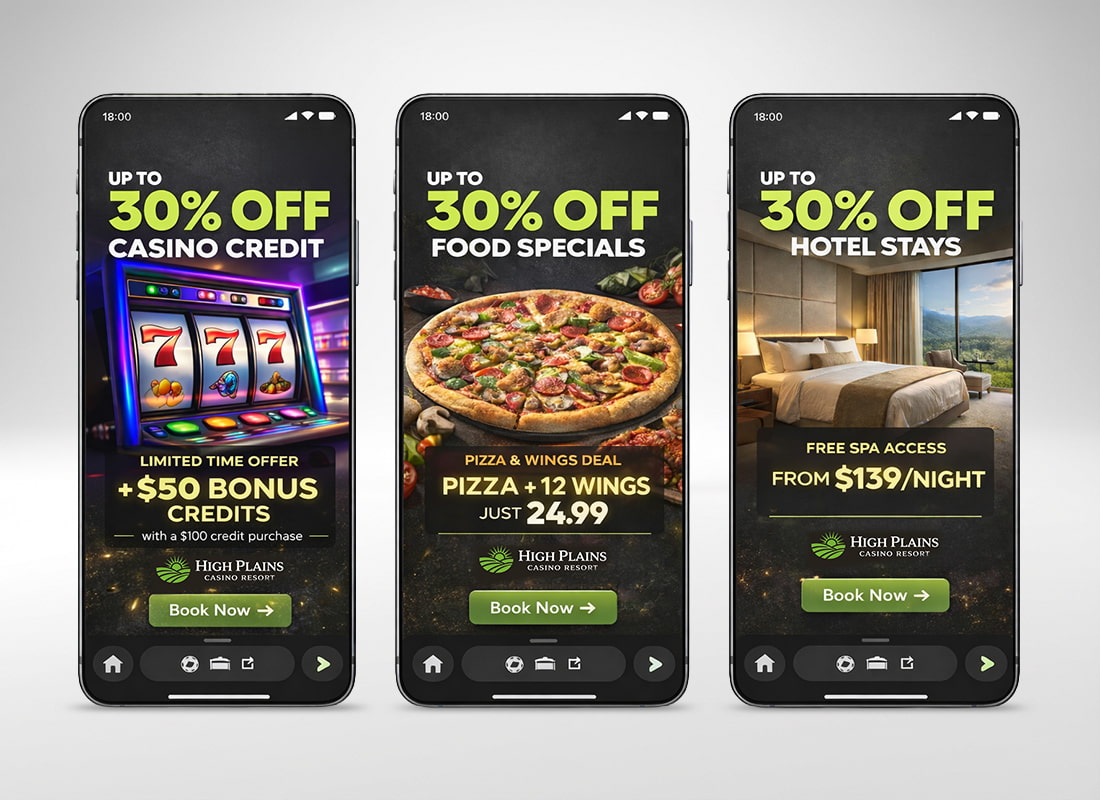
Many campaigns rely on a small batch of visuals and messaging due to budget or production constraints. Minor tweaks (like color shifts or headline swaps) often aren’t enough to maintain engagement over time. Creative depth (not just surface variation) is critical.
3. Platform Homogenization
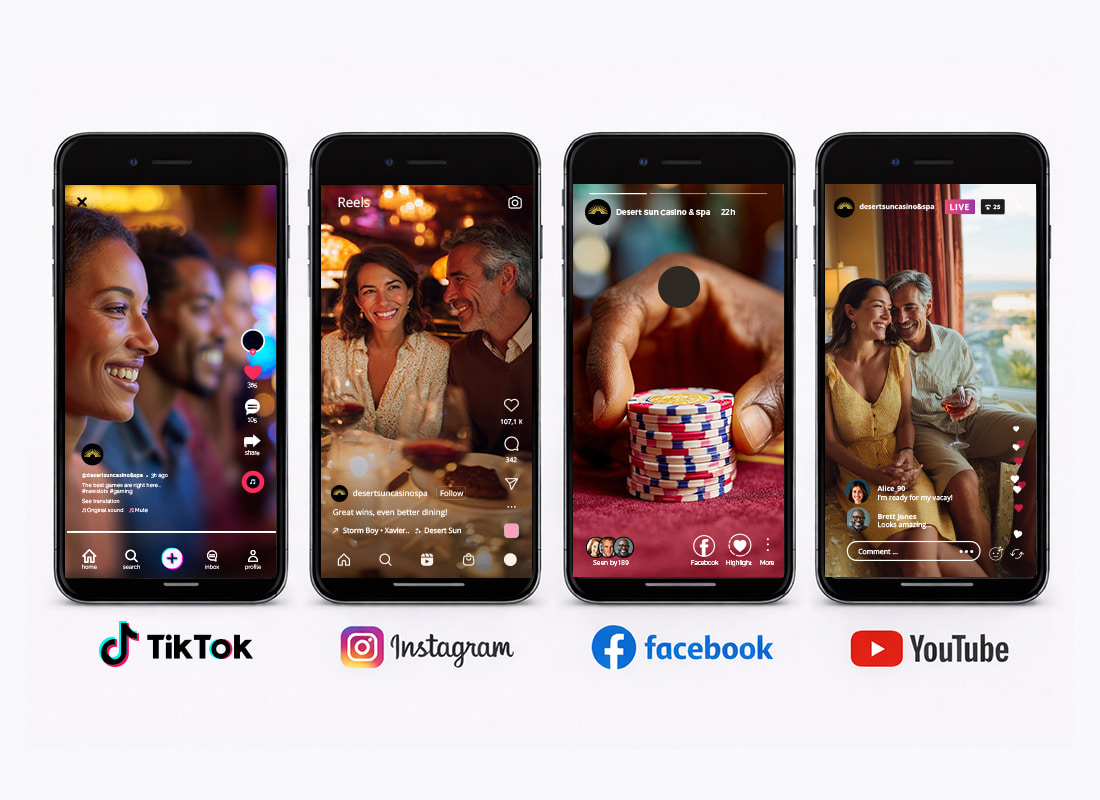
Short-form video. UGC-style ads. Influencer-driven content. As more brands adopt the same formats, creative differentiation decreases. Audiences don’t just fatigue on your ad, they fatigue on the entire format. Blending in is the new invisibility.
4. Misalignment with Audience Behavior
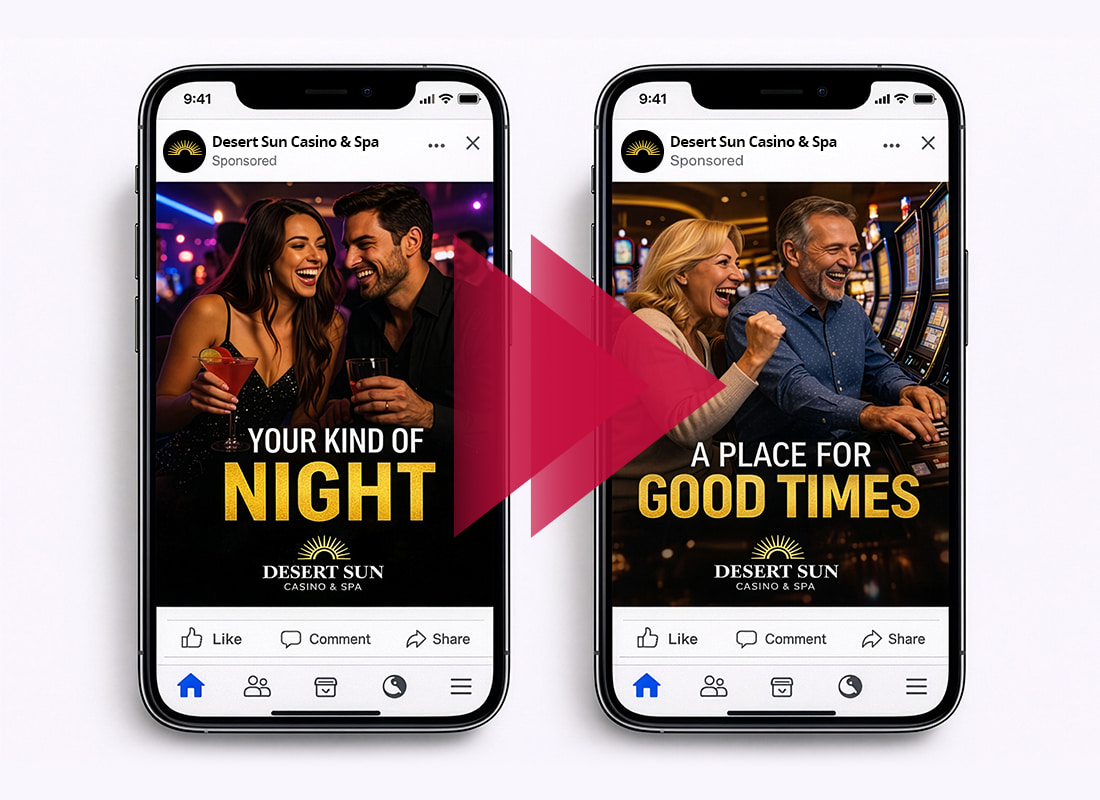
Creative that doesn’t evolve with consumer behavior or shifting consumer motivations will fatigue faster. A prospect at the awareness stage needs different messaging than someone considering purchase. If the narrative doesn’t progress, performance declines even if the creative itself is strong.
5. Performance-Only Optimization
Over-optimizing for short-term metrics like CTR or CPA can be dangerous. When a “winning” ad performs well, the instinct is to scale it aggressively. But pushing one creative beyond its lifespan accelerates fatigue and reduces long-term returns.
How to Recognize It Early
Proactive detection is key. Watch for:
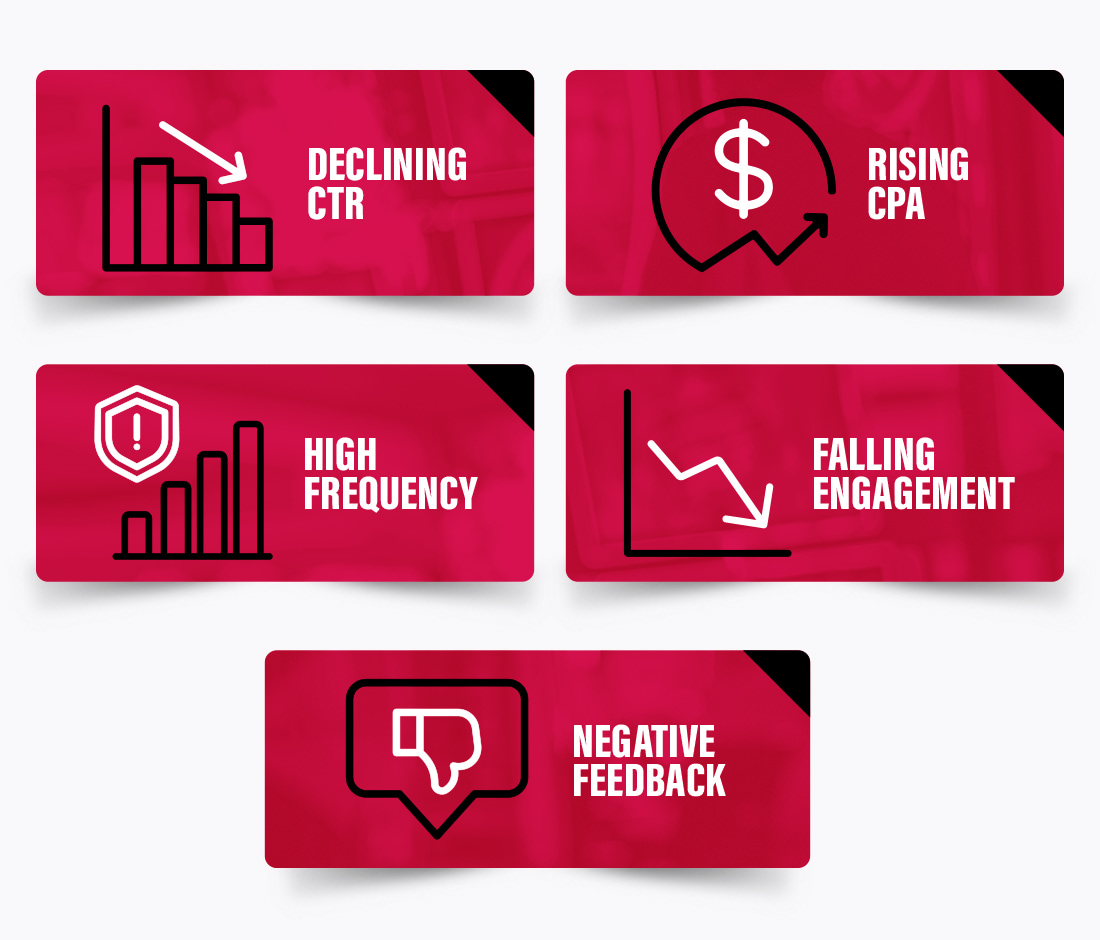
• Gradual or sudden engagement declines
• Costs rising despite stable targeting (not to include seasonality or surge/demand pricing)
• Frequency climbing beyond benchmarks
• Strong initial performance followed by rapid drop-off
• Audience comments signaling annoyance or disinterest
The most important metric isn’t a single number; it’s seen as a trend.
Fatigue curves vary by platform, audience size, and objective. Monitoring performance patterns is far more powerful than relying on static benchmarks.
Stay tuned for parts two and three of this series!